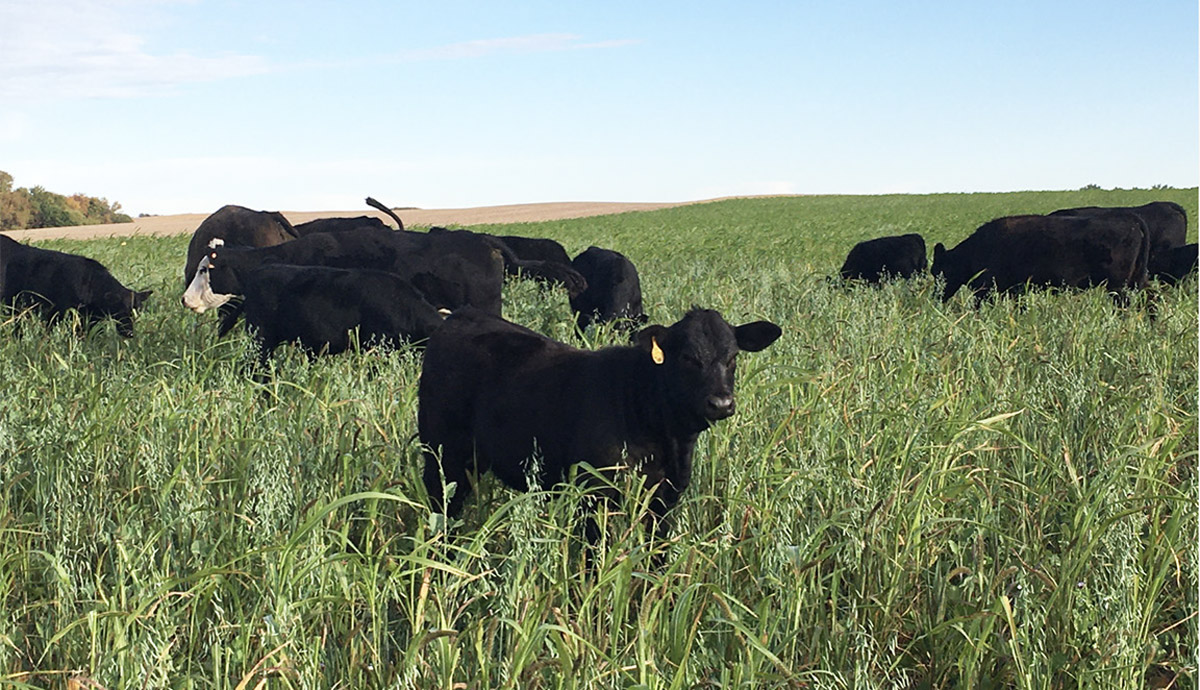
Understand your stock feed gap this winter to maintain productivity.
A stock feed gap typically occurs when feed quality does not meet the energy requirements of livestock. If not identified and addressed early, stock may start to decline in condition and production losses may be seen. The length of this period depends predominantly on seasonal conditions and stocking rates.
For most, mid to late winter through to early spring is when the feed gap is most likely as the days are cooler and sunlight day length shorter resulting in slower pasture growth.
Unfortunately, it is during the coldest part of winter that livestock energy requirements increase. Livestock quickly lose condition when energy requirements are not met particularly young and pregnant or lactating stock.
Understanding your feed gap can help to predict when one may occur and therefore assist you to maintain maximum productivity.