• Home
  • Articles
    • Front Page
    • General Interest
    • Letters to the Editor
    • Snippets
  • Our Community
    • Our People
    • Question of the Week
    • Be Seen
    • Jobs in The Central West
  • Special Interests
    • Rural Round Up
    • Health & Wellness
    • Loving Local Living
    • My Place
    • Real Estate
  • Sports
    • Bowls
    • Canowindra Junior Rugby League
    • Rugby League
    • Cricket
    • Footy Tipping Competition
    • Golf
    • Rugby Union
    • Swimming
    • Touch Football Results
    • Tennis
    • Other
  • Competitions
  • Classifieds
  • Contact Us
    • Contact Us
    • Advertise with Us
    • Testimonials
    • Subscribe to the Phoenix
    • Submit an Article

The Canowindra Phoenix

Your free weekly guide to what's happening in and around Canowindra.

Home » Green Thumb…Gardening Mulch

Green Thumb…Gardening Mulch

5 November, 2014 By Canowindra Phoenix Editor

vegetable-garden-mulches-1

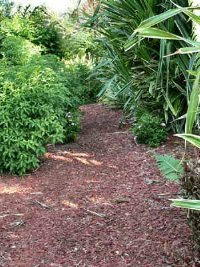
The onset of warm, dry weather across our region in recent weeks prompts me to discuss a fairly basic, but in my view, crucial aspect of gardening-mulch! All bare soil in garden beds in my garden are now covered in hay or straw mulch and I have long been convinced that this is essential for a healthy, productive and attractive garden.
Mulch serves several purposes and the benefits will vary depending on your soil type, climate and what you’re actually trying to grow in the garden. However, in general, mulching the soil in your gardens will reduce extremes of soil temperature, reduce moisture loss and supress weed growth. Mulch also has the potential to improve the structure and fertility of your soil as it breaks down and increases soil organic matter and improved soil biological activity, particularly worms.
My favourite garden mulches are pea straw (grain legume crop residue, baled after grain harvest) and lucerne hay or chaff. In my view these mulch types have the most beneficial impact on soil health and plant nutrition in the long run. Not all gardeners can access these types of mulch, so other options include sugar cane crop residue which is chaffed and bagged and available in many nurseries. Other options include wood chips, newspaper, lawn clippings, chopped garden prunings or composted food waste or animal manures. Some of these (particularly wood chips, pine needles or fresh lawn clippings) can actually reduce some plant nutrients in the soil or contain some chemical compounds which may reduce plant growth. It’s best to use aged or composted forms of these mulches and apply a nitrogen rich fertilizer when mulching.
The right depth or thickness of mulch depends a bit on what you are using and growing, but 5 to 7cm thick coverage of the soil is recommended and it’s best to apply the mulch after rain or watering the soil.

By Ian  Rogan- Milthorpe Garden Nursery

Filed Under: Special Feature

Click here to download the recent issue (891) of The Canowindra Phoenix (6MB PDF) – 20th August 2026

Search the Phoenix

STAY CONNECTED

The Canowindra Phoenix would like to thank you, our Facebook friends, for your continued support and readership!

Contact the Phoenix

Street Address: 84 Gaskill Street Canowindra NSW 2804
Postal Address: PO Box 203 Canowindra NSW 2804
Phone:0432 337 286

Editorial Phone – 0432 337 286
editor@canowindraphoenix.com.au

Sales Phone – 0432 337 286
sales@canowindraphoenix.com.au

Submit an Article

We are always looking for new articles of interest to the local community.

Please feel free to submit an article for possible inclusion in a future issue.

To submit an article, click here to use our online article submission form.

Receive The Phoenix via Email

* indicates required

Copyright © 2026 · Website setup and support: CompleteWPCare

nsw government logo

The Canowindra Phoenix's Digital Diversification of Free Regional Media project is proudly funded by the NSW Government Regional Media Fund