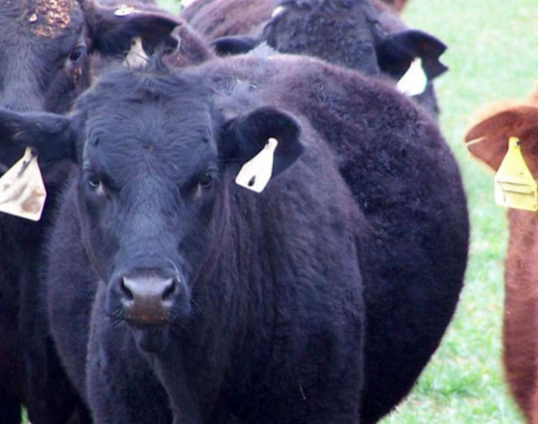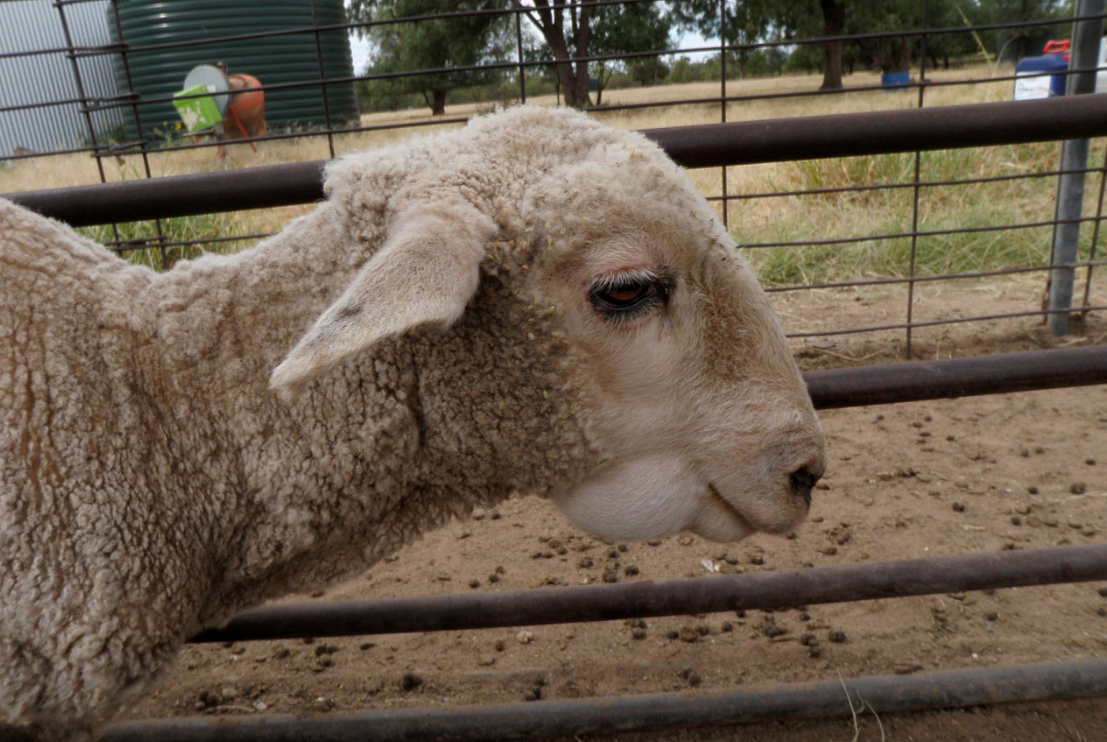
Sheep with long standing barber’s pole worm will often develop ‘bottle jaw’ – Photo LLS Bloat is linked to lush clover-dominant pastures – Photo LLS
Livestock producers across the district continue to face several seasonal animal health challenges, with lameness in sheep and goats remaining one of the most common issues in cattle.
Recent investigations into lameness in small ruminants have identified a range of causes, including bacterial arthritis, and both benign and virulent forms of footrot.
In one flock, swollen joints and persistent lameness in young lambs were linked to a bacterial infection that responded to antibiotic treatment, with a vaccination program planned to reduce the incidence in lambs next year.
Warm, moist conditions and dense pasture growth are creating ideal conditions for foot diseases, making early veterinary assessment important, as different causes often require very different management approaches.
Recent bloat cases have been linked to lush, clover-dominant pastures, where high levels of protein can create a stable foam in the rumen. This foam traps the gases produced during normal digestion, preventing animals from belching to relieve the pressure. As gas builds up, it can compress the lungs and major blood vessels, leading to sudden death if not addressed.
Producers can reduce the risk by avoiding moving hungry cattle onto high-risk pastures and considering anti-bloat supplements such as blocks, licks or oils.
District vets have also recently confirmed cases of white muscle disease, which is one presentation of selenium deficiency, in young lambs grazing clover-dominant pastures on granite soils.
The condition is a degenerative disease of skeletal and heart muscle and signs range from sudden death in severe cases to stiffness, weakness and difficulty moving.
As excessive selenium supplementation can be toxic, obtaining a correct diagnosis before giving selenium supplements is important.
Current weather conditions are creating ideal conditions for a range of parasites.
Warm temperatures, recent rainfall and high humidity are expected to increase the risk of flystrike in sheep, particularly where fleece rot, lumpy wool or diarrhoea are present.
Producers should review flystrike prevention plans, taking into account chemical withholding periods, wool handling requirements and resistance management.
These same conditions are also favourable for barber’s pole worm, one of the most significant internal parasites affecting sheep.
Worm egg counts are beginning to rise across the region, and if this trend continues unchecked, we will expect to see more affected sheep.
Drench resistance is a widespread challenge, so effective worm control should be based on worm egg count monitoring, strategic drenching and drench selection, and careful paddock management.
If you notice unusual illness, sudden deaths, lameness or parasite issues in your livestock, contact your local district veterinarian or private veterinarian for advice and assistance.
Producers can contact a Local Land Ser vices district vet on 1300 795 299:
• Bathurst: Bruce Watt and Elsa Glanville
• Cowra: Emilee Johnstone
• Molong/Orange: Amy Masters
• Mudgee: Jess Cooke
BATHURST COWRA LITHGOW MOLONG/ORANGE MUDGEE Senior Biosecurity Officer:
Mick Bourke Biosecurity Officers:
Phoebe Reynolds Ross Trudgett Senior Biosecurity Officer:
Grant Terry Senior Biosecurity Officer:
Mark Simpson Biosecurity Officers:
Mel Van Herk Jamie Perry-Meijer Senior Biosecurity Officer:
Emmi Macken Senior Biosecurity Officer:
Amanda Turner Biosecurity Officer:
Charles Knyvett