WHAT WE’VE BEEN SEEING
Seasonal conditions are variable across the Central Tablelands at present – some areas have an abundance of feed, and others not so much. This has been reflected in some of the cases we are seeing.
Pregnancy toxaemia is seen in late gestation ewes when the energy demands of the foetus(es) are higher than the energy that the ewe can consume. Affected ewes stand off from the mob, have lowered awareness of their surroundings, and eventually become recumbent, at which point treatment is seldom successful.
Ensuring ewes have a stable plane of nutrition and feeding single- and multiple-bearing ewes separately according to their different energy requirements, can help to reduce the risk of pregnancy toxaemia.
Spontaneous vaginal rupture, on the other hand, occurs more commonly in over fat, late gestation ewes grazing lush pasture. The pregnant uterus stretches the vagina tightly across the pelvis, predisposing it to tearing.
The intestines can then protrude out of the animal, leading to rapid death. The condition is relatively uncommon, but several cases have been reported recently.
Bloat is another condition associated with an abundance of feed.
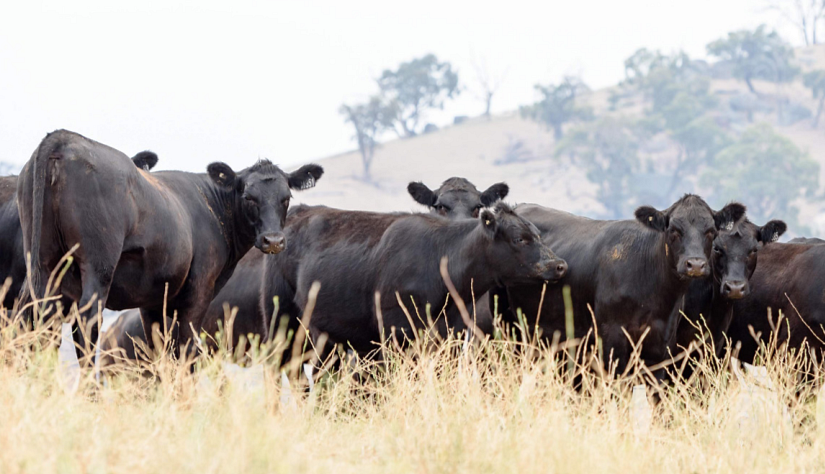
Recent cases have occurred in cattle grazing lucerne and clover dominant pastures. The proteins in the legumes create a stable foam, that can’t be “burped up”, and the pressure in the abdomen stops blood returning to the heart.
Reduce the risk of bloat by ensuring cattle do not get moved onto high bloat-risk pastures (high lush legume content) when hungry and supplying a monensin-containing loose lick, bloat blocks, or bloat oil in water troughs.
Unfortunately, we are also still seeing cases of malnutrition. Regular tracking of body condition (or weight, if possible), pasture availability and the quality and quantity of any supplementary feed given are the best ways to monitor the performance of the stock.
The NSW DPIRD ‘Drought and Supplementary Feed Calculator’ is a great way to check whether the ration is sufficient for the class of stock.
WHAT TO LOOK OUT FOR
With the variable feed conditions, pulpy kidney is on our radar. This disease is caused by the bacterium Clostridium perfringens, and affected animals are usually found dead. It tends to occur when livestock are moved from a dry, fibrous feed, to a lush high energy one.
Prevention via vaccination is key – the 3in1, 5in1, 6in1 and 7in1 clostridial vaccines protect against pulpy kidney. Under high-risk conditions, vaccination within the last 3 months is recommended.
With dry conditions forecast over summer, planning management and feeding strategies early may save time, money and heartache later on. Having a drought plan in place, with trigger points for selling certain classes of stock, confinement feeding and early weaning reduces the emotional toll of decisions when times are tough.
The NSW DPIRD “Managing drought, fire and flood” guide is available online and at LLS offices.
For more information contact your local district vet on 1300 795 299:
• Bathurst – Bruce Watt, Elsa Glanville
• Cowra – Emilee Johnstone
• Molong/Orange – Amy Masters
• Mudgee – Jess Cooke