Bird flu has reached New South Wales.
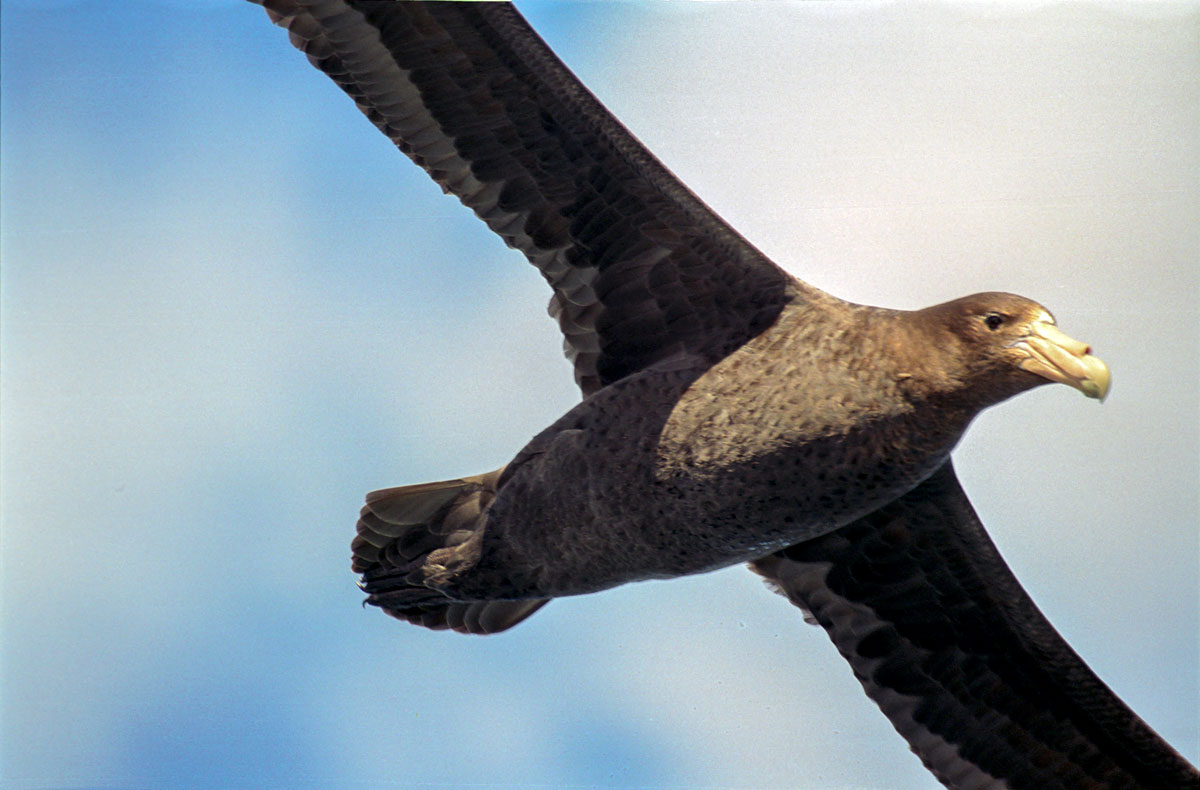
In recent weeks a giant petrel found near Hawks Nest became the first confirmed case of H5 bird flu in this state, following detections in Western Australia and South Australia. For now, the cases are all in migratory seabirds, there is no sign of it in poultry, and the risk to people remains low.
This is the same strain that has torn through the northern hemisphere. It has killed wild birds in their millions, wiped out seal and sea lion colonies, and forced the culling of tens of millions of chickens and turkeys. Australia was the last continent it had not reached. That is no longer true.
The threat runs two ways. For our environment, this virus could be catastrophic for native shorebirds, seabirds and the colonies that breed along our coast. For agriculture, an incursion into commercial poultry would be devastating, not just for producers but for every family that buys eggs and chicken and chicken-based products. Our poultry and egg industries are worth billions and employ thousands of people across regional New South Wales.
Biosecurity is too often treated as someone else’s problem, a job for government departments and quarantine officers. It is not. It is everyone’s responsibility. Whether you run a commercial flock, keep a few chooks in the backyard, or spend your weekends fishing, we all have a part to play in keeping this virus out, or at least contained.
If you see sick or dead birds, wild or domestic, do not touch them. Keep your distance, note the location, and report it to the Emergency Animal Disease Hotline on 1800 675 888. Poultry owners should tighten up their on-farm biosecurity now, as I’m sure they’re doing. People with backyard chooks also need to chip in, they have the potential to be a serious vector if this disease takes hold.
We have been given a very fortunate head start that many other countries never had. Let’s not waste it.
By The Hon. Scott Barrett MLC
Member of the Legislative Council